📅 Published: August 7, 2026 🔄 Updated: August 11, 2026
Many parents want a coding language that their child can actually read, test, and understand without feeling lost after the first lesson. Python coding for kids is well-suited for this purpose. The language reads in a direct way, the first programs are short, and children can see results quickly on screen. A learner can type a few lines, run the file, and understand what changed. This early clarity helps children to keep going. It also gives families a practical starting point when comparing beginner coding options.
Benefits of Python coding for kids and teens
A child does better with coding when the language is readable from the start, and the work leads to visible output. Python offers learners both.
The code looks less intimidating to beginners
Many children lose confidence when code looks crowded with symbols and rigid rules. Python feels much easier to read. A child can usually see where a line starts, what it is doing, and why the output changed after a small edit. That makes a difference as children need room to focus on logic, sequence, and trial and error. They should not spend the whole lesson struggling with syntax. This is why Python for kids works well as a starting point for beginners.
It trains children to think in steps
Children understand coding better when they write, test, and fix their own work. Python simplifies the process considerably. Children can adjust a number, change a condition, or execute a loop to repeat an action, all while seeing the results right away. Immediate feedback gives children a chance to spot errors faster, read results with more care, and understand the logic behind each step. This is a major strength of Python programming for kids.
The same language can support older learners
Python does not feel limited after the basics. A child can start small, then move into quizzes, games, automation, or beginner data work. This is why many parents choose to learn Python for kids programs with room to grow.
How Python classes for teens help build real skills
Teen learners usually need more than scattered practice and random tutorial clips. Students benefit from clear guidance, regular assessments, and assignments that require them to apply what they’ve learned.
Good classes move past definitions
Teen learners need more than scattered practice and random tutorial clips. A teen may know terms like variable, function, or loop, yet still struggle to use them inside a working program. Strong classes illustrate the links between concepts, the importance of order, and the process of verifying code functionality. Python classes for teens can be particularly effective in this regard. Students begin to read code with greater attention, actively debugging and correcting flawed logic.
Practice becomes meaningful when it builds something
Lessons usually feel more meaningful when they result in something the learner can actually use or test. A loop might help run a score tracker, while a function can make a cluttered calculator program easier to manage. At the same time, a condition can control what happens after a right or wrong response. Because of that, progress starts becoming more visible. Instead of just copying code line by line, the learner starts completing short Python projects for kids with more confidence and less help.
A routine improves follow-through
Teenagers can lose momentum when work gets harder. Regular classes help by adding structure, review, and consistency. A structured Python for teenagers online program can keep learners returning to bugs, testing fixes, and finishing tasks. Since coding progress depends on persistence as much as curiosity, this habit has an impact.
Free Python tutorial for kids: getting started
The first steps should feel manageable. A child should be able to set things up, run a short program, and understand what happened without confusion building too early.
Installing Python and setting up your environment
Start with the official Python website and download the version that fits your computer. During setup, choose the option that adds Python to the system path. This makes it easier to run programs later from the terminal or command prompt.
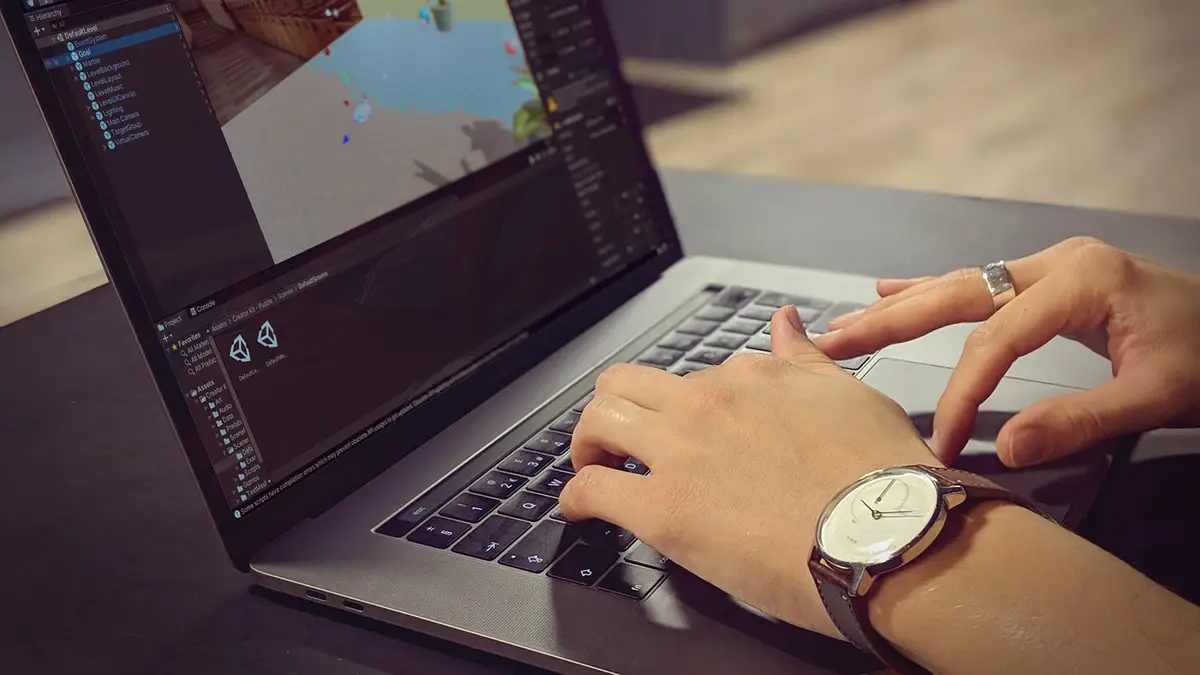
Next, open a beginner-friendly editor. The screen usually looks cleaner than a professional coding workspace. A child can type print(“Hello”) and run it.
The first result matters. The computer responds, the child sees the output, and coding begins to feel approachable. Early success can make the first lesson a fun way to learn Python.
Python basics: syntax, variables, and data types
Python is easier to read than many coding languages. A variable can hold different types of information, such as a score, a player’s name, or the number of lives left in a game. Data types explain what kind of value is being used. Numbers handle sums, strings hold text, and Boolean values support true or false choices. These ideas are central to any Python tutorial for kids.
Control structures: loops and conditionals
A conditional changes the response when something is true. Loops repeat actions. People who teach Python to kids focus here because this is where code becomes active.
Functions and modules explained for kids
Functions let children group steps and reuse them when needed, which keeps code cleaner. Modules open up more possibilities. The random module can power guessing games, and the turtle module can create drawings. This is why Python for kids online feels more hands-on and enjoyable.
Best online Python classes for kids and teens
Children learn in different ways. Some of them learn better when a teacher explains things. Some others, however, prefer slower practice at home. The right fit depends on confidence, focus, and how much help the child needs.
Live interactive classes
Live lessons help when a child needs guidance straight away. A teacher can catch confusion early, explain a mistake, and fix a bug before it turns frustrating.
Parents exploring online Python classes for kids and online coding classes for students usually compare teacher quality, class size, projects, and feedback.
Self-paced Python courses online
Self-paced learning works well for children who like moving at their own speed and revisiting lessons more than once. It also helps families with packed schedules.
A solid Python course for kids in this format should still include small projects, checkpoints, and guided exercises. Without those, children may finish videos without building much working knowledge. The course should keep the learner writing code, testing code, and correcting mistakes regularly.
Free Python coding resources and tutorials
Free resources can be useful at the start. Parents can use them to test interest before choosing a full program. Beginner editors, guided examples, and official documentation all have a place here.
However, quality varies to a great extent. There are resources that explain clearly but lack progression. There are also some that give tasks with almost no support. Parents exploring Python coding classes for kids, alongside free material should check how the lessons build, how examples are explained, and whether the child can realistically continue without direct help.
How to Choose the Right Python Program for Your Child
A Python program should fit the child accurately. Children have different learning arcs. Some children may need close guidance at the start, while others learn faster when the work feels a little demanding.
- Ensure your child is actually coding in class instead of spending the full session watching.
- See if the lessons begin with basics and then move into short, workable tasks.
- Pay attention to how mistakes are handled. A useful class explains the error and helps the child fix it.
- Look at the kind of work being built, such as quizzes, number games, drawing tasks, or small logic projects.
- Notice whether feedback is regular or vague. Parents should be able to see what has improved.
- Match the format to the child’s habits.
- Pick a course that still feels useful once the beginner stage is over and the child wants harder work.
Next steps after learning Python for kids
After a child understands the basics, practice should become more purposeful. Quizzes, mini games, calculators, drawing activities, and short text tools can help turn knowledge into a working skill.
At this point, families can decide whether a guided Python class for kids, a stronger Python class for kids online, or full Python classes for kids with regular teacher support would suit the learner best. Used well, Python coding for kids gives children a serious introduction to programming without making the early stage feel inaccessible.
FAQs
At what age can kids start Python?
Many children are ready for Python once they learn to read, don’t struggle to type, and they manage to follow steps in order. This usually begins around ages ten to twelve, though readiness still depends on the child.
Are Python classes for teens suitable for beginners?
Teen Python classes typically begin with the basics: syntax, variables, loops, and a few quick exercises. The most effective ones are designed for absolute beginners, with no prior coding knowledge required. They gradually build understanding, allowing newcomers to find their footing.
Can kids learn real coding with Python tutorials?
They can, but practice has to be part of it. Children learn by writing code, making mistakes, fixing them, and finishing small pieces of work. Simply watching a tutorial without doing the work usually does not build much skill.