📅 Published: August 14, 2026 🔄 Updated: August 17, 2026
You check your phone, respond to a message, look something up in seconds, and carry on with your day. These little things feel completely normal, but each one runs on systems built to keep everything quick and seamless. Technology sits in the background, rarely noticed, but it remains present in the way people work, learn, and stay connected.
These everyday moments quietly reflect the pros of technology. Tasks feel more manageable, information becomes easier to access, and communication flows without delay. Recognising this impact helps individuals use technology with intention and clarity in daily life.
Why Is Technology Important in Our Daily Life?
Plans, payments, conversations, almost everything now happens through a screen at some point. The speed feels normal until something stops working. This gap shows why is technology important in everyday routines. Tasks that once needed time, travel, or coordination now get handled in minutes without much thought.
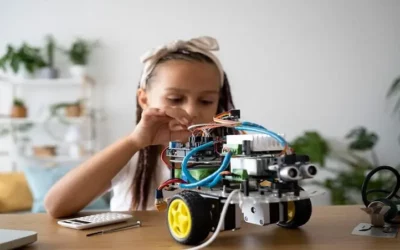
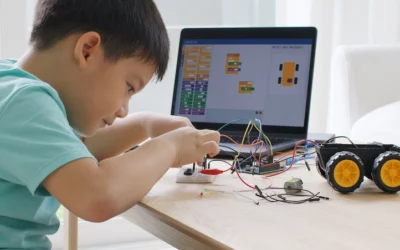
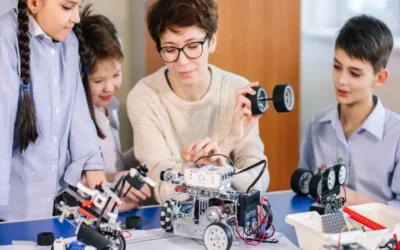
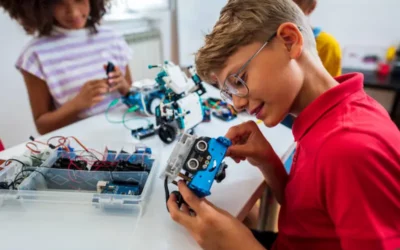
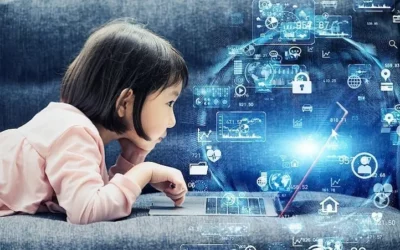
Learning has shifted in a visible way. Technology in education for children brings lessons through visuals, practice tools, and guided platforms. Children engage faster, ask better questions, and build understanding through interaction instead of passive listening.
Pros of Technology That Make Life Easier
Time gets saved in places people used to ignore. Finding directions, confirming bookings, or sending updates no longer requires multiple steps or follow-ups. The positive effects of technology become visible through this shift in how quickly tasks get handled.
Daily coordination feels smoother when tools handle reminders, schedules, and updates without constant checking. Access to banking, learning, and essential services fits into regular routines without creating extra pressure or interruptions.
Positive Effects of Technology on Society
Daily systems, communication, and learning environments have shifted with digital tools. Understanding how is technology helpful becomes clearer through faster services, wider access, and improved coordination across different parts of society.
1. Advancements in Healthcare
A person can now speak to a doctor without leaving home, which changes how quickly help is received. Medical systems also use detailed data to guide treatment decisions based on individual conditions. This reduces guesswork and allows care to be adjusted more precisely. Health tracking tools record changes over time, which helps people notice issues early. Access becomes easier, delays are reduced, and patients stay more involved in understanding and managing their own health.
2. Improved Communication
Conversations with someone in another city or even another country now feel just like speaking to someone nearby. Video calls, messaging apps, and shared platforms remove distance from daily interaction. This shift has made communication a language every kid will need tomorrow, as children grow up connecting, learning, and expressing ideas through digital spaces. It also allows people from different cultures to exchange thoughts, work together, and understand perspectives that were harder to access earlier.
3. Enhanced Education
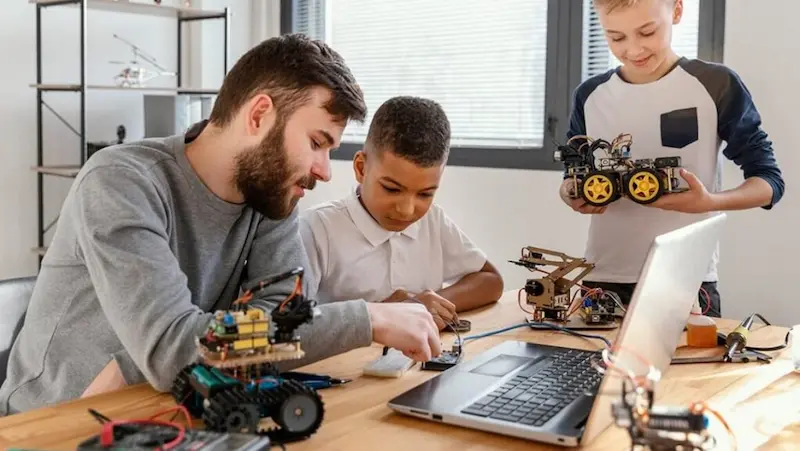
A child who does not understand a topic no longer has to wait for the next class. Lessons can be replayed, paused, and tried again until things make sense. Online platforms give you a place to practise without feeling watched or judged by others. Some children take longer, some move faster, and both patterns work here. Children learn better if they can see how something works and try it out for themselves rather than just being told about it or learning it by heart.
4. Increased Efficiency
Work that once needed repeated manual input now runs through systems designed to handle routine steps with accuracy. Businesses manage operations with fewer delays, and processes move forward without constant checking or correction.
Automation takes over repetitive tasks, which reduces errors and improves safety in daily workflows. More time goes into decisions, planning, and solving problems, while systems take care of routine tasks with steady speed and consistency.
5. Environmental Benefits
Power plants, transport systems, and even buildings now rely on measured data instead of rough estimates. This changes how energy gets used and reduces waste at each step. You can see the pros of technology in solar grids, electric transport, and systems that adapt energy use based on actual demand.
Teams out in forests, oceans, and wildlife areas now use sensors and satellite feeds to monitor what is actually changing on the ground. Temperature shifts, animal movement, and habitat conditions are recorded as they happen. This makes it easier to notice unusual patterns before damage spreads. Early signals allow quicker decisions, whether it involves protecting a species or responding to environmental stress in a specific area.
6. Access to Information
Finding information no longer depends on physical resources or waiting for access. A question can be explored immediately, and answers can be checked from multiple sources within minutes. This changes how people learn and make decisions in daily life. Search platforms, digital libraries, and online resources allow a deeper understanding of topics without restrictions. People compare options, verify details, and build knowledge independently, which supports more informed choices across personal and professional situations.
7. Empowerment Through Social Media
A physical network is no longer needed to share ideas or connect with like-minded people. Social platforms allow direct interaction across regions, where conversations start from simple posts and grow through responses. These exchanges reflect the positive effects of technology, where connections form through shared viewpoints rather than location.
Conversations do not stay in one place anymore. A point gets raised, someone responds, and the discussion keeps moving as more people join in. Some remain within a small group, while others travel further and draw wider attention. The real change comes down to reach. Voices that once stayed within small circles now reach larger audiences, where ideas and concerns can be seen, talked about, and carried into wider public conversations.
8. Inclusivity for People with Disabilities
Access to information and communication has improved for individuals who earlier faced limitations in using standard systems. Tools like voice input, screen readers, and text support allow interaction without relying on traditional methods.
Daily tasks such as reading, writing, and navigating digital platforms become more manageable with these assistive features. This allows individuals to participate in learning, work, and communication with fewer barriers, using tools designed to match different needs and abilities.
9. Economic Growth
New types of work have emerged as digital systems expand across industries. Roles in software development, data handling, and cybersecurity now form a significant part of employment. These opportunities require different skill sets, which have changed how people prepare for work and build careers.
Business growth also follows a different path. A person can sell products or services online without setting up a physical space. Orders, payments, and customer interaction happen through platforms that connect buyers and sellers directly. Starting out no longer requires a physical setup. Individuals start small, find customers across regions, and expand as things work, without heavy upfront investment.
10. Ethical Awareness and Responsible Use
Personal data now moves through multiple platforms, which makes privacy and security a real concern in everyday use. People become more aware of how their information is stored and where it travels. This raises questions around the protection and responsible handling of data.
Concerns also extend to how automated systems make decisions. Bias, fairness, and accountability need attention when these systems influence outcomes. Understanding why is technology important also means being aware of these risks and handling them with care. Keeping things balanced becomes important. Individuals start setting limits, checking permissions, and adjusting how they use it to avoid becoming too dependent. Using it thoughtfully keeps technology working with daily life, without adding pressure or taking away a sense of control.
How Is Technology Helpful for Kids and Future Skills?
A child who struggles with a topic at school does not have to stay confused for long. They can revisit the same lesson, try again, and work through mistakes without waiting. This is where parents begin to see how is technology helpful in real learning situations, not just as a tool but as support during gaps.
Learning also becomes more visible at home. Parents notice when a child repeats an activity, corrects mistakes, or spends more time understanding something instead of skipping it. The change slowly appears through behaviour and not through quick results or forced outcomes.
Structured learning formats reflect this shift in a practical way. Activities like Rubik’s cube classes for kids bring in step-based thinking, where children go through a sequence, run into challenges, rethink their approach, and keep at it. Following this process develops patience and encourages children to keep working on a problem until they find a workable solution.
This pattern carries forward into other areas over time. Children slow down when needed, work through difficulty instead of leaving it midway, and stay with a problem until it becomes clear. They start taking charge of their pace and manage tasks without needing frequent guidance.
FAQs
Why is technology important in today’s world?
Work, communication, and daily planning now depend on systems that reduce waiting and confusion. People find information quickly, coordinate without repeated follow-ups, and handle responsibilities without depending on physical processes that previously slowed everything down.
How is technology helpful for students and kids?
A student who misses a concept does not have to stay stuck. They can go back, try again, and understand it properly. This changes how learning builds over time and allows children to improve without pressure from fixed-paced classrooms.
What are the main positive effects of technology?
Information, services, and communication no longer depend on location or timing. People find answers when needed, complete tasks without repeated effort, and stay connected without delay. These changes reduce friction in daily routines and improve how situations are handled.
What are the biggest pros of technology in daily life?
Routine work no longer interrupts the day. A payment gets done, a message goes through, and updates happen without repeated checking, which helps people stay on track and avoid missing details.