📅 Published: August 10, 2026 🔄 Updated: August 12, 2026
A child builds something once and enjoys the moment. Real learning begins when they understand how it works and how to improve it next time. This shift defines the value of online robotics classes for kids.
Parents today are not searching for screen time. They are looking for structured learning where effort leads to visible progress. Robotics offers that balance naturally. It combines thinking, building, testing, and adjusting in ways children can actually follow.
Home-based learning has reshaped the way children engage with complex subjects. Robotics no longer seems distant or overly technical. With the right class guiding the process, it progresses gradually through clear steps, allowing curiosity to grow steadily into skill.
What Are Online Robotics Classes for Kids?
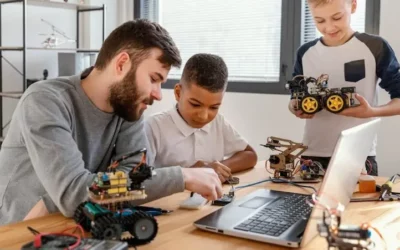
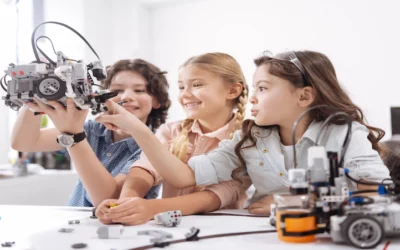
Online robotics classes for kids introduce children to how machines are built, controlled, and improved through guided lessons. They combine basic engineering ideas with simple coding, helping children see how instructions turn into movement and actions they can observe and adjust.
Most kids start with easy builds and tasks that are easy to follow. As they go along, they start to see how things fit together and how even small changes can change the outcome. They start out by following steps and then move on to making their own choices with the help of live guidance and project-based learning.
Why Online Robotics Learning Is Great for Kids
In many homes, children complete lessons but struggle to explain what actually changed. With online robotics classes for kids, that gap becomes easier to notice. When a model fails or behaves differently, they return to the steps, check what they missed, and try again.
Through robot programming for children, instructions start connecting with outcomes. A small coding error leads to a visible change in movement. Fixing it once helps them recognise similar mistakes later. Over time, they rely less on guidance and begin adjusting their work with more confidence.
Benefits of Online Robotics Classes for Kids
Children already spend time on screens. The difference shows when they stop switching and stay with one thing long enough to fix it. With robotics classes at home, they start dealing with what they build.
- They don’t leave a task halfway when something breaks. They try again to see what went wrong.
- Small mistakes show up immediately. A wrong step changes how the robot moves.
- Questions become more pointed, with children focusing on why something stopped instead of simply asking what to do next.
- They begin changing parts instead of starting over every time.
- You’ll notice fewer random clicks and more deliberate actions.
- Over time, they ask for help later than they used to.
Key Concepts Taught in online robotics classes for kids
Children do not pick up everything in one go. In online robotics classes for kids, learning usually unfolds in small, connected steps. One idea leads into the next, and gaps start showing up clearly when something does not work.
Basic Robotics Principles for Kids
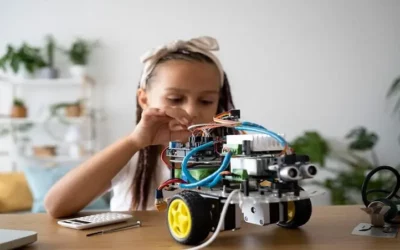
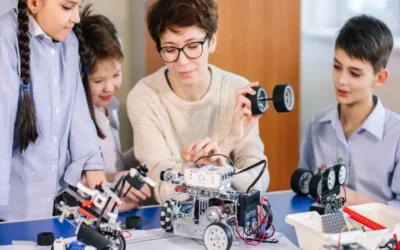
At the beginning, children focus on putting parts together. Pieces get attached wherever they seem to fit. Sometimes the model holds, sometimes it does not. This is where the first learning happens.
After a few attempts, the placement starts changing. They adjust angles, fix loose joints, and check balance without being told. Builds begin to look more stable, not by chance but by correction.
Sensors, Motors, and Simple Coding
Movement introduces a new layer. Motors make things run, but not always the way children expect. A model may move too fast, stop midway, or not respond at all.
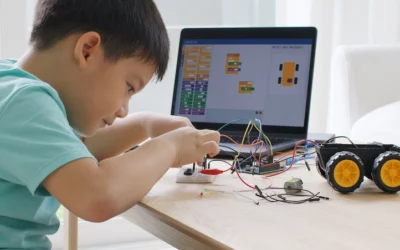
This is where coding comes in. Small instructions control what happens next. One wrong step changes the entire behaviour. Children begin checking their inputs more carefully because the output shows exactly what went wrong.
Hands-On Projects in Virtual Robotics Classes
Projects bring everything together, and this is where most mistakes happen. A build that worked once may fail when repeated. Children start noticing that copying steps is not enough.
Instead of restarting every time, they begin changing one part at a time. A wire, a block, a line of code. Gradually, the process becomes less random. They work through the issue instead of working around it.
Top 10 Online Robotics Courses for Kids
Parents comparing virtual coding classes for kids usually see similar promises across platforms. The difference shows up later, when a child either keeps going or drops interest after a few sessions.
BrightCHAMPS Robotics Classes
BrightCHAMPS Robotics Classes start slower than most programs, which actually helps in the beginning. Children spend time fixing how parts sit, because the first few builds rarely hold properly. LEGO-based models are used early, so adjustments feel easier and less frustrating. Concepts like movement and structure come in through repetition, not heavy explanation.
Across roughly twelve weeks, children keep returning to what they built earlier. A model that did not move right gets opened again, adjusted, and tested. They begin noticing what caused the issue instead of guessing. When systems like the Robot Operating System are introduced, it happens through guided work where they connect parts and see the result immediately. Live sessions matter here because mistakes get addressed while they are still fresh.
Columbia University Robotics Courses (edX)
This course feels closer to a classroom setup. Concepts are explained first, then applied. Children learn how movement works through axis control and how different parts connect through kinematic chains.
It requires patience. Instructions are detailed, and children need to stay with the explanation before moving ahead. Those who prefer clear structure and do not mind spending time understanding theory tend to stay with it longer.
Autonomous Robotics (Udemy)
Here, the focus shifts to movement decisions. Children work on how a system reacts when something blocks its path or when speed needs to change. Parking, turning, and avoiding obstacles are not just examples. They become the main tasks.
There are fewer buildings and more adjustments. One small change in logic can throw off the entire sequence. Children spend time correcting that instead of starting again, which makes the learning feel more controlled.
Hands-on Arduino Robots (Udemy)
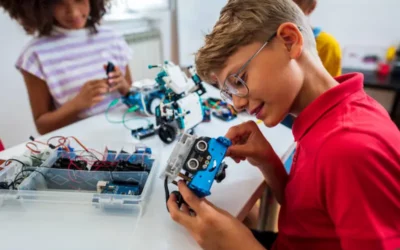
This course brings in physical components early. Children connect circuits, test them, and see what happens when something is not wired correctly. The response is immediate, which keeps them engaged.
At this point, control starts to feel more interesting. You can use a phone or your voice to tell robots where to go, and they can move in more than one direction. Kids start to connect inputs and actions more naturally, without having to follow the same steps every time.
How to Choose the Right Online Robotics Class for Your Child
Go through a couple of online robotics classes for kids, but do not decide from the demo alone. What matters is what happens after two or three sessions. If your child starts leaving things halfway, something is not clicking.
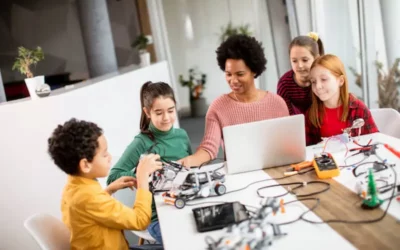
Sit nearby once and watch. Are they building along, or just listening and waiting? The difference shows quickly. Children pick up faster when they are doing things in real time.
After class, see if they touch the same build again. Even a small attempt to fix something tells you the class is making sense.
Tips for Parents to Support Kids in Online Robotics Learning
Children working through online robotics classes for kids do not need constant correction. What helps more is how the environment is set up when they start using robotics kits for students and trying to make things work on their own.
- Keep everything in one place. When parts are scattered, they lose time before even starting.
- Let a build fail once. Stepping in too early breaks their flow.
- If the same step keeps going wrong, ask them to go back to that point instead of fixing it yourself.
- Ask what they changed, not what they made. The answer shows how much they understood.
- Do not rush to complete the model. An unfinished build still teaches something.
- When a wire slips or a piece comes loose, let them figure out where it went wrong.
- Notice if they return to fix something later without being told. This is where real learning shows.
FAQs
At what age can a child start online robotics classes?
Most children manage well from around seven. Before that, they may struggle to follow the steps. Once they can stay with a task and repeat instructions, robotics starts making sense.
How interactive are online robotics classes for kids?
It depends on whether children are building while learning. When they use kits and test things during the session, they stay involved. Listening without doing usually does not hold attention.
Do children need prior experience before starting robotics classes?
A lot of kids start with no experience at all. They start with simple builds in the first few sessions, learning how the parts fit together and what each step does.
What do children learn in online robotics classes?
They start with basic parts like motors and sensors. After that, they try small instructions and see how the robot reacts. Over time, they begin changing things instead of following fixed steps.