📅 Published: August 10, 2026 🔄 Updated: August 12, 2026
After clicking “run,” a child receives a null response, pauses, and subsequently begins to independently resolve the issue. The lessons learned at that moment are more valuable than any worksheet.
Online robotics for kids creates these moments. Children try something, change it, and see what happens next. They move step by step, figuring things out as they go. It may look simple from the outside, but the way they start thinking stays with them long after they log off.
Parents usually look for structured learning, but what matters more is how a child responds when instructions stop. Robotics introduces that shift early. It moves a child from following steps to making decisions, even in small ways.
What Is Online Robotics for Kids?
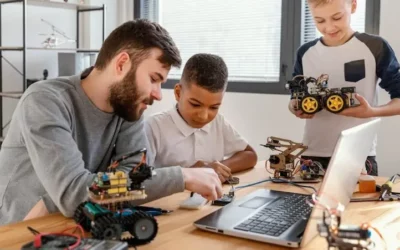
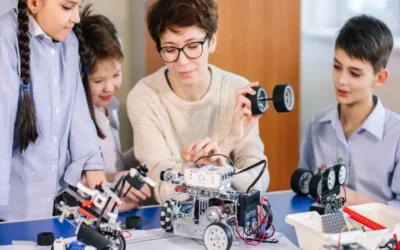
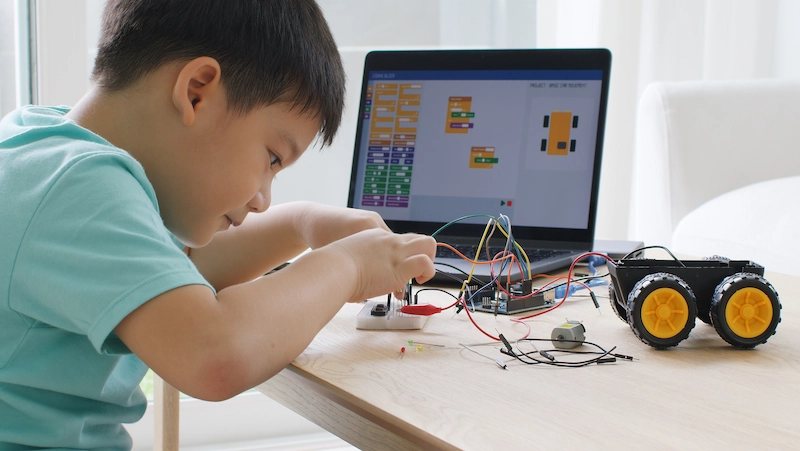
In robotics classes for kids, children are given tasks where something has to work, not just be understood. A robot is supposed to move a certain way, follow a path, or respond at the right time, and when it doesn’t, they have to figure out why. There is usually a clear sequence in how these lessons are built, but what actually matters is how quickly a child starts noticing what went wrong without being told. This shift is where the learning begins to settle in.
Why Robotics for Kids Online Is Becoming Popular
Parents are moving toward robotics for kids online because they can actually observe what their child is doing during each session. The work is visible on screen, and progress does not feel assumed or delayed.
Another reason online robotics for kids is gaining attention is how easily it fits into everyday routines. Classes happen without travel, and fewer interruptions mean children stay more consistent with what they start.
There is also a shift in how children spend their time. Instead of switching between activities quickly, they remain focused on completing a task. This change becomes noticeable within a few weeks, making the learning feel steady and easier to follow.
Benefits of Learning Robotics for Kids Online
With fun robotics projects for children, the difference shows up in how long a child stays with one task. They do not leave it halfway as quickly. Something keeps them trying until it works, even if it takes a few attempts.
- Flexible Learning Time: Classes fit easily into the day without rushing. If something takes longer, children can continue rather than move on.
- Access Beyond Local Options: Parents are not limited to nearby centres. Children learn from instructors they would not usually have access to.
- Active Involvement During Sessions: Children are not just listening. They are clicking, testing, changing inputs, and seeing what happens immediately.
- Learning at Their Own Speed: Some children move fast; others often slow down. Online formats allow both without pressure from the rest of the group.
- Trying Their Own Ideas: At some point, children stop following steps exactly. They begin changing small things just to see what happens next.
What Kids Learn in Online Robotics Programs
In online robotics for kids, learning does not feel like separate topics. What a child struggles with in one session usually shows up again in the next, and they handle it differently the second time.
Basic Robotics Concepts for Kids
Children start noticing when something is slightly off. A turn happens too late, or movement continues longer than expected. These small mismatches stand out because they can see them happen. After a few sessions, they begin pointing them out on their own, sometimes even before testing again.
Coding and Programming in Online Robotics
Coding is where children start slowing down. Instead of quickly arranging blocks, they look at the order more carefully. They pause, rearrange, and think about what might go wrong before running anything. This pause is new, and it usually appears after a few mistakes they remember.
Hands-On Robotics Activities in Online Learning
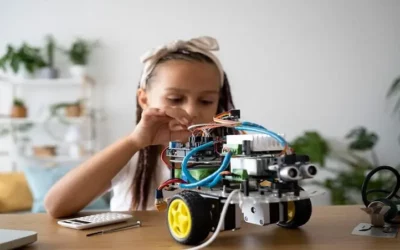
Some activities take longer than planned, and that is where things change. Children repeat the same part, adjust something small, and try again without being told. They keep working at it. The task does not change, but their approach to it does.
Best Ways to Learn Online Robotics for Kids
The way a child approaches robotics for kids online depends a lot on how the learning is set up. Some formats keep them involved from start to finish, while others leave them unsure about what to do next. Parents sometimes focus on getting a robotics certification, but what really counts is whether the child stays with the process long enough to understand what they are doing.
Live Online Robotics Classes for Kids
Live classes create a sense of presence that many children need in the beginning. When something does not work, they do not sit stuck for long. They ask, get a hint, and continue. This reduces the habit of leaving tasks incomplete. Over a few sessions, children begin waiting, thinking, and then trying again instead of immediately giving up. There is also a rhythm to live classes. Same time and same structure. This routine makes a difference for children who struggle with consistency.
Self-Paced Robotics Learning for Kids Online
Some children prefer working without interruption. They open a lesson, try something, pause, and return later. This format gives them that space. They might spend a long time on a single step, which would not be possible in a live session. At the same time, gaps can appear. A child may skip something or forget where they stopped. In such cases, a parent’s involvement becomes useful, not for teaching, but for keeping things on track.
Interactive Robotics Tools and Platforms
Interactive tools change how children spend their time outside sessions. They try small changes, run them instantly, and watch what happens, and there is no waiting. Some children repeat the same action multiple times just to see a different result. This kind of repetition does not feel forced. It happens because they are curious about what will change next. Over time, this builds familiarity without them realising it.
How Parents Can Support Robotics for Kids Online
Parents play a quiet but important role in how children respond to online robotics for kids. The learning does not depend on how much a parent explains, but on what they choose to notice and when they step in. Many children pause or leave a task midway when something does not work. Giving them a little time before helping often changes how they handle the same situation next time.
A fixed routine helps more than longer sessions. When classes happen at the same time, children settle into a pattern and take the work seriously. Irregular timing tends to break that flow, even when the content stays the same.
It also helps to pay attention to how the child is working, not just whether the task is completed. A child who retries a step without being told is progressing, even if the final result is not perfect. Pointing out that effort makes a difference.
Simple questions work better than direct answers. Asking what they think went wrong or what they might try next keeps them thinking. Giving the solution too quickly removes that process.
Parents can also ensure that the setup stays ready before each session. A charged device, a stable connection, and required tools prevent unnecessary interruptions, which helps children stay focused from start to finish.
Online Robotics for Kids vs Offline Robotics Learning
With online robotics for kids, children usually continue from exactly where they stopped earlier. Their work remains saved, the setup stays familiar, and they begin without spending time rebuilding or recalling previous steps. This helps them stay connected to what they were doing instead of restarting each session. In offline classes, time is often spent arranging materials or waiting for access, which can slow down how much a child actually gets to try on their own.
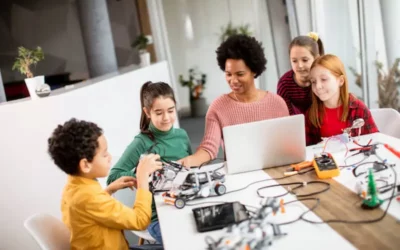
Offline learning gives direct access to physical components in a shared space, which some children enjoy initially. However, time is divided across the group, so each child may not test their ideas fully. Online sessions often give more uninterrupted time to repeat, adjust, and observe results closely, which helps children stay with the same task until they understand it properly.
FAQs
What does a child usually spend time doing in these classes?
Most of the time goes into getting something to work properly. A child runs a step, sees it behave differently than expected, and then spends time figuring out where it went wrong.
How early can children start without feeling lost?
Children around six or seven manage better because they can sit through a task and follow instructions. Younger ones can start, but they usually need shorter sessions and closer guidance.
Do we need to buy any extra equipment before starting?
Many programs begin with just a device and the internet. Some later suggest kits, but children can still continue learning through on-screen tools without needing anything additional at home.
What kind of work will my child actually be doing?
They are usually trying to complete small tasks, like making something move correctly or respond at the right moment. A lot of time goes into getting those details right.