📅 Published: August 12, 2026
A child solves one level and immediately looks for the next. Another one leaves within seconds. The difference rarely comes from the subject. It comes from how the experience feels in those first moments.
Most parents already have access to dozens of educational games for kids. The harder part is finding ones that actually hold attention after the first try. When a game feels clear, responsive, and slightly challenging, children stay with it longer without reminders.
This blog focuses on real platforms used by children worldwide. You will also see how different types of kids’ educational games influence engagement, curiosity, and learning patterns over time.
Why Educational Games Are Important for Kids
Children learn faster when they are involved in the process. A screen that reacts to their actions keeps them engaged longer than passive formats.
Well-designed educational games for kids create noticeable patterns:
- Children retry without prompting
- Mistakes do not stop them
- Progress becomes self-driven
These signals show that learning is happening.
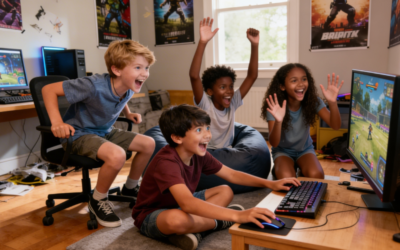
Some children resist structured study but stay focused on games for extended periods. Interaction reduces pressure and allows them to move at their own pace.
Strong educational games support:
- Logical thinking through challenges
- Faster recall through repetition
- Decision-making through immediate outcomes
What Are Educational Games for Kids?
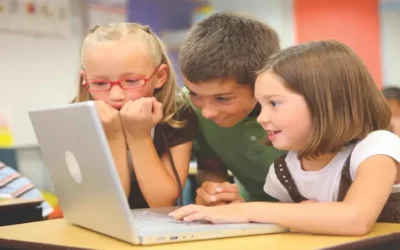
Most children’s educational games look like regular computer games at first. The difference shows in how children use them. They are not just tapping or watching. They are solving, trying again, and figuring things out as they go. A math level might change based on their answer, or a reading task might repeat until it clicks. Learning happens during the action, not before or after it.
Best Educational Games for Kids
Most lists look impressive on paper. Children don’t care about lists. They decide within minutes whether a game is worth staying for. The following educational games for kids are widely used because they hold attention beyond that first interaction.
ABCmouse – Early Learning and Literacy
ABCmouse works best for younger children who are just starting with letters and sounds. The tasks feel short, almost repetitive, but that’s where progress builds. You will notice it when a child starts recognising letters outside the screen without being prompted.
Prodigy – Math Learning Game
Prodigy Math Game changes how children react to math. Instead of stopping at difficult questions, they try again because the next step feels like part of a challenge. The shift shows when hesitation reduces.
PBS Kids Games – Science and General Learning
PBS Kids Games keeps things moving. One activity ends, another begins. Children don’t stay because of one game. They stay because there is always something new to try, which keeps curiosity active.
Kahoot! – Quiz-Based Learning
Kahoot! brings speed into learning. Answers need to come quickly, which changes how children think. Over time, recall becomes faster because they stop overthinking every question.
Funbrain – Reading and Logic
Funbrain mixes stories with problem-solving. Children move between reading and puzzles without noticing the shift. This keeps the experience from feeling repetitive.
Minecraft Education Edition – Coding and Creativity
Minecraft Education Edition does not guide every step. Children build, test, and figure things out on their own. You will see them pause before acting, which is where real thinking begins.
Duolingo – Language Learning
Duolingo keeps lessons short. Children return because each step feels manageable. Progress builds through consistency, not long sessions.
SplashLearn – Math and Reading Practice
SplashLearn connects closely with school topics. Children recognise what they are learning, which reduces resistance and makes practice feel familiar.
Toca Life World – Creative Exploration
Toca Life World has no fixed path. Children create their own scenarios and stay engaged longer because nothing forces them to follow a sequence.
BrainPOP – Animated Learning
BrainPOP explains ideas visually before asking questions. Children understand first, then respond, which changes how they approach answers.
Different children respond to different formats. The right choice becomes clear when a child returns to the same game without being asked.
Types of Educational Games for Kids
Not all educational games work in the same way. Some hold attention through speed, others through depth or creativity. The format changes how children respond, especially across different video game platforms, where interaction feels different.
Online Educational Games for Kids
Online games give children access to a wide mix of subjects in one place. They can switch between activities quickly, which keeps interest from dropping. This format works well for children who like variety and short bursts of learning. You will notice them moving from one task to another without needing guidance, which keeps engagement steady over time.
STEM Educational Games for Kids
STEM-focused games centre around building, testing, and solving. Children are required to think before acting, which slows them down in a good way. These games suit children who enjoy figuring things out step by step. Progress becomes visible when they start planning their moves instead of guessing.
Interactive Learning Games for Children
Interactive games rely on immediate response. A child taps, drags, or answers, and the result appears instantly. This keeps attention locked in because there is no delay between action and outcome. Children who prefer quick feedback tend to stay longer in this format and repeat tasks without hesitation.
Benefits of Educational Games for Kids
The effect of educational games for kids doesn’t show up as marks or scores right away. It shows up in small behaviour changes. You see it in how long a child stays, how they react when something doesn’t work, and whether they come back to it later. With regular use of kids’ educational games, those small changes start to stick.
- Attention span: Some children leave within seconds if nothing clicks. With the right game, they don’t. They stay, try another level, and keep going without being told.
- Problem-solving approach: At first, many children just tap randomly. After a while, that changes. They pause. They think. Then they try something different.
- Memory and recall: You might hear them say, “I’ve seen this before.” That’s when repetition starts working. They don’t feel like they are revising, but they are remembering.
- Confidence in trying again: Failing inside a game feels light. So they try again immediately. This habit slowly carries into other areas where they would usually stop.
- Independence: There’s less calling out for help. They start figuring things out on their own, even if it takes a few attempts.
- Consistency: The biggest sign is simple. They go back to it on their own. No reminders, no pushing.
None of this happens in one session. It builds quietly, then suddenly becomes visible in how they learn overall.
How to Choose the Best Educational Games for Kids
Choosing the right educational games for kids becomes clearer when you stop comparing features and start watching behaviour. Many children’s educational games look polished but lose a child’s attention within minutes if the experience feels unclear or slow. The first interaction matters here. If your child understands what to do without help and sees an immediate response, they are more likely to stay engaged. If they hesitate, ask questions right away, or exit quickly, the game is already losing them.
Pay attention to how they continue after the first task. Some children move forward on their own, exploring what comes next. Others stop and wait for direction. This difference tells you how natural the flow feels. The level should also feel balanced for them. When something is too easy, children rush through and lose interest quickly. When it feels too difficult, they stop trying after a few attempts. The right level keeps them thinking but not stuck at any point.
Notice how the game handles mistakes during play. If a wrong answer leads to nothing, children disengage very fast. When the game responds instantly and allows a quick retry, they stay with it longer. Over time, this builds a habit of trying again without frustration. You may also see small changes, such as them pausing before acting or remembering something from a previous level.
This same approach applies when choosing structured courses for kids as well. Content alone does not hold attention for long. The way it is delivered, how quickly children can act, and how clearly they see progress all play a role. In the end, the strongest signal is simple and clear. If your child returns to the same activity later without being asked, the choice is working well.
FAQs
What are the best educational games for kids?
No single game fits every child. Some spend longer solving levels in Prodigy, while others stay engaged building and experimenting inside Minecraft Education, based on what keeps their interest.
Are educational games good for children?
They can work well when the child stays engaged without constant reminders. If they leave within minutes, the game is not doing much, no matter how educational it looks.
What are free educational games for kids?
Many parents begin with PBS Kids due to its simple setup and easy access. Funbrain is another option that supports reading and puzzles, especially for slightly older children.
Which educational games improve learning skills?
The ones that make children pause and think tend to work better. Games involving puzzles, math problems, or coding usually push them to figure things out instead of guessing.