Young minds require stimulation by providing them with opportunities to think. Experts recommend a variety of interventions for children. It is critical that their creativity and critical thinking abilities improve as they mature. Nobody knows where the world is heading. But there is something we can do to improve things today, tomorrow, and forever. Children are the saplings in whom we can plant our hopes for a better future. They will be the ones to make the planet a better place to live.
To help make the world a better place, youngsters must be able to discriminate between what might do damage and what humans require. This stems from my early training and teaching experiences. It has been discovered that riddles, tales, poetry, and other forms of creative expression allow kids to think, learn, and grow for today and tomorrow.
Experts recommend riddles to kids as a way to improve their ability to think and come up with new ideas. Riddles are entertaining as well as educational. It is critical that young minds have adequate opportunities to ponder and develop. When they begin to think, they will begin to reason, and this will give birth to geniuses such as we have had in the past and today, and we may expect great minds to dominate the globe in the near future.
The majority of the riddles for kids are brief, precise, and simple to read and comprehend. This encourages kids to read more frequently. It is also a form of mental workout. People nowadays are preoccupied with their smartphones and tablets. Some people are obsessed with the internet and the world of social media. These folks are completely ignorant of what is going on around them.
This even encourages and propels today’s youth and generation into the realm of robots. People are much more mechanical and detached from their emotional surroundings. Because of the effects of the internet and social media, there is no longer the same emotional tie between individuals as there once was. Here are some of the advantages of riddles for children:
Six Advantages of Riddles for Children
- Introduce them to the concept of cerebral humor:
Laughter is essential for pleasure and health. Also, when people have had a long, boring day, laughing is a great way to get them back to work. It may soothe the mind and body, relieve tension, and make us feel amazing. Boredom and retaining children’s attention are two of the most serious issues facing education today; therefore, riddles may be a terrific way to break up the day and rest the brain while keeping it active.
- Work their brains:
Problem-solving and critical thinking skills are two of the most significant and sought-after qualities in today’s culture. The relevance of standardizing testing while applying to college and graduate school demonstrates this. The ACT and SAT both places a premium on critical thinking and problem-solving abilities. Riddles have been shown to improve children’s understanding and creativity, which makes them a great way to teach children.
- Reading comprehension:

Literacy rates in the United States are at 99 percent, but understanding varies greatly and falls on a spectrum. Everyone can read at least a little bit, but that doesn’t mean they can read quickly enough or understand hard material well enough to be successful in the workplace. Riddles can help with this by boosting vocabulary and improving comprehension of context.
- Increase their vocabulary:
When children—and really anybody—meet unfamiliar words, they learn them through context. Riddles provide context for words, making it simpler for youngsters to learn, retain, and utilise them. In another approach, puzzles encourage children to inquire further about unfamiliar vocabulary.
- Giving them the chance to teach:
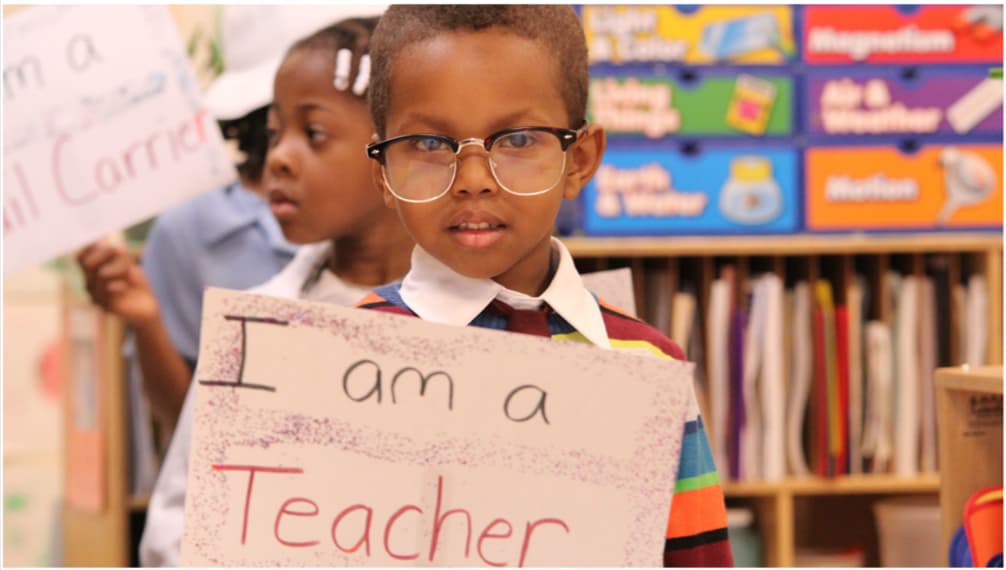
Teaching children riddles helps them learn and grasp something that most others do not, allowing them to repeat and teach them to others. Riddles are significantly different from much of what children learn since they may teach them to their peers, parents, and instructors. This reinforces their grasp of the conundrum and helps them connect with others in a socially productive manner.
- Bonding with children:
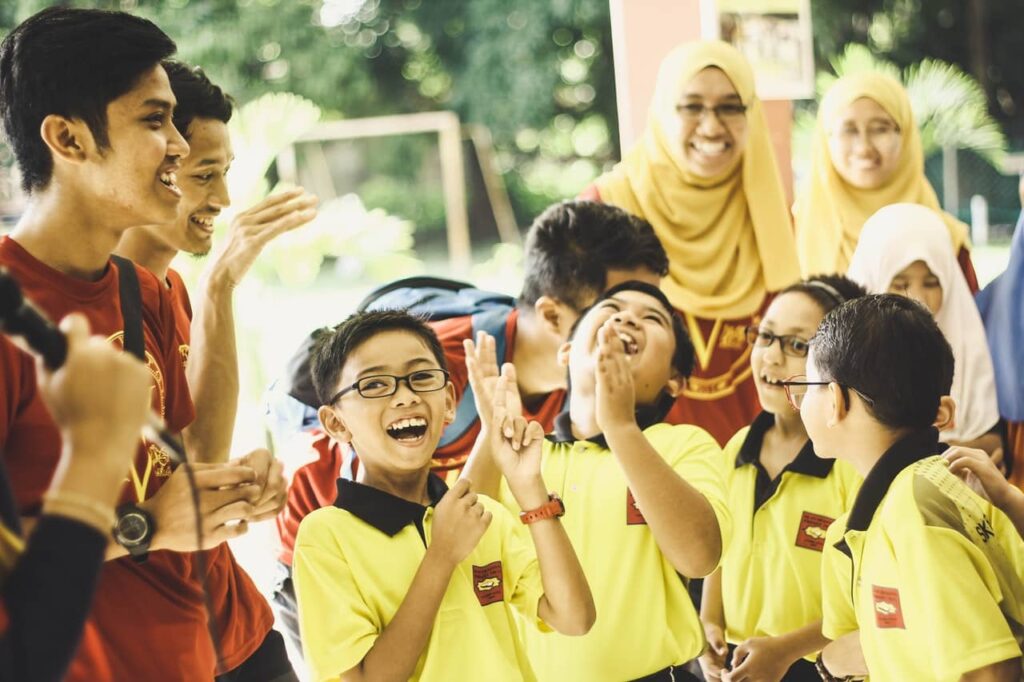
Telling and teaching riddles to children is a terrific method to develop bonds with them while also breaking through any social challenges the kid may have, making it simpler for them to form social interactions in the future.
Conclusion
In a world where social networks are becoming more and more important to children’s lives, it is important to find ways to connect with them and help them learn outside of these networks. Sharing riddles with youngsters and teaching them the rationale behind them is an excellent approach to doing this. Riddles are more useful and can help children’s mental health in more ways than you would think. Visit the most recent entertaining blogs on the BrightCHAMPS blog page to find out more about entertaining and thought-provoking activities for kids.